How much does a shipping container cost in Canada?
(2026 Pricing Guide)
Shipping container prices in Canada typically range from $2,000 to $8,000 or more, depending on factors such as size, condition (New vs. Used), delivery distances and specialized features or modifications. These variables can significantly influence total landed cost and should be considered when budgeting for storage or operational needs.
This guide serves as a comprehensive resource on shipping container pricing across Canada by outlining typical cost ranges, explaining the primary factors that influence pricing, and providing insight into regional availability throughout Ontario, Quebec, and Alberta to evaluate storage options with confidence.
As one of the nation’s longest standing owner-operators, ATS Containers brings over 30 years of industry experience, delivering consistent supply, operational expertise, and transparent pricing. With container depots strategically located in major hubs including Montreal, Toronto, and Edmonton, ATS Containers is relied upon by businesses nationwide for both large-scale projects and localized storage requirements.
2026 Canadian Shipping Container Market Price Guide
Here is the 2026 comparison table for average new and used shipping container prices in Canada:
| Shipping Container Size & Type | Used Container Price (WWT/CW) | New “One Trip” Price |
|---|---|---|
| 20′ Standard (GP) | $1,800 – $3,000 CAD | $2,800 – $4,000 CAD |
| 40′ High Cube (HC) | $2,200 – $4,000 CAD | $5,000 – $7,000 CAD |
| Specialty Shipping Containers* | From $3,500 CAD | From $6,000 CAD |
*Specialty shipping containers include high-cube, side-door, refrigerated, double-door, and modified units. Landed costs vary according to configuration, condition, and regional inventory availability across Montreal, Toronto, and Edmonton.
What Drives Shipping Container Pricing?
Shipping container prices in Canada reflect a combination of global economic conditions and regional logistic factors. Changes in raw materials, currency exchange, trade volume, and import costs directly influence the landed cost of new shipping containers across Canadian markets.
1. Global Raw Material Costs
Corten steel accounts for roughly 60% of container manufacturing costs. Fluctuations in global steel indices directly impact new unit market prices. When raw material costs rise, those increases are passed through to the domestic consumer market.
2. USD to CAD Exchange Rates
The container industry operates globally in U.S. Dollars. Because all Canadian inventory is initially purchased in USD, daily fluctuations in the Bank of Canada Exchange Rate play a significant role in determining final market pricing. A weaker Canadian dollar results in higher domestic prices for 20-ft and 40-ft units.
3. Trade Volume & Supply Chain
Container availability in Canada is linked to international trade flows. Reduced import volumes limit new container supply, while increased trade activity can stabilize or lower pricing in major port markets.
4. Trade Policy & Import Costs
Tariffs, customs regulations, and import duties affect the total landed cost of shipping containers entering Canada. Containers designated for domestic storage must complete formal customs clearance, where applicable duties are applied to the final unit price.
Container Grade
Grade is the primary pricing factor. Units are categorized into three tiers:
One-Trip (New): Manufactured overseas and shipped once. Highest price and useful life.
Cargo Worthy (CW): Inspected and certified for international shipping. Structurally sound.
Wind & Water Tight (WWT): Ideal for storage. Guaranteed dry contents with minor wear.
Modification & Customization
Beyond standard “dry boxes,” custom tailoring influences the final cost:
Custom Additions: Roll-up doors, windows, HVAC, or insulation increase price.
Point of Sale Savings: Customizing at time of purchase is more cost-effective.
Standard Baseline: Modifications scale from a standard base unit price.
Delivery & Taxes
Final totals are calculated based on location and site requirements:
Delivery Fees: Determined by distance from the nearest container depot to the location.
Regional Sales Taxes: Applicable taxes applied based on the province of delivery.
Site Access: Terrain, clearance, and turning radius affect delivery logistics.
Factors That Influence Used Container Costs
While global markets set the baseline, local pricing for used containers is driven by inland logistics and container grades. Since units enter Canada through international gateways, proximity to major hubs like Montreal, Toronto, or Edmonton is critical. The further a unit travels from these rail and port hubs, the higher the repositioning cost to move equipment to a container depot. The choice between a Wind and Watertight (WWT) and Cargo Worthy (CW) container also influences the cost.
Wind Watertight (WWT) vs. Cargo Worthy (CW)
While both grades protect against the elements, there is typically a price gap of $300 – $600 (depending on the region) which reflects structural certification and selection requirements.
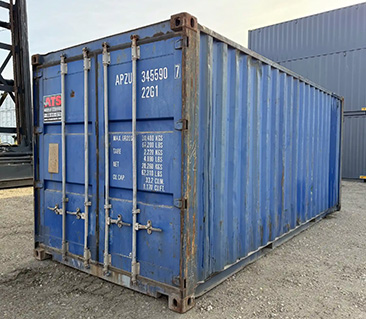
WWT (The Storage Standard): The most cost-effective solution for ground-level storage. Usually 12–15 years old with surface rust and minor dents, these units are inspected to ensure they are “light-tight” with intact door seals. Best for residential use, farm equipment, and job-site inventory.
CW (The Export & Heavy Industrial Choice): Structurally verified units eligible for a valid CSC plate, which is a requirement for international shipping. CW units undergo stricter inspections for loading and stacking integrity which is essential for overseas transit, heavy industrial use, or custom modification projects.
ATS Expert Tip: To verify if a used unit is WWT, perform a “light test” by stepping inside, closing the doors, and looking for daylight. If no light is visible, the unit is wind and watertight. To increase longevity, it is recommended to place used units on a gravel pad or blocks to prevent the floor from absorbing ground moisture.


Factors That Influence New Container Costs
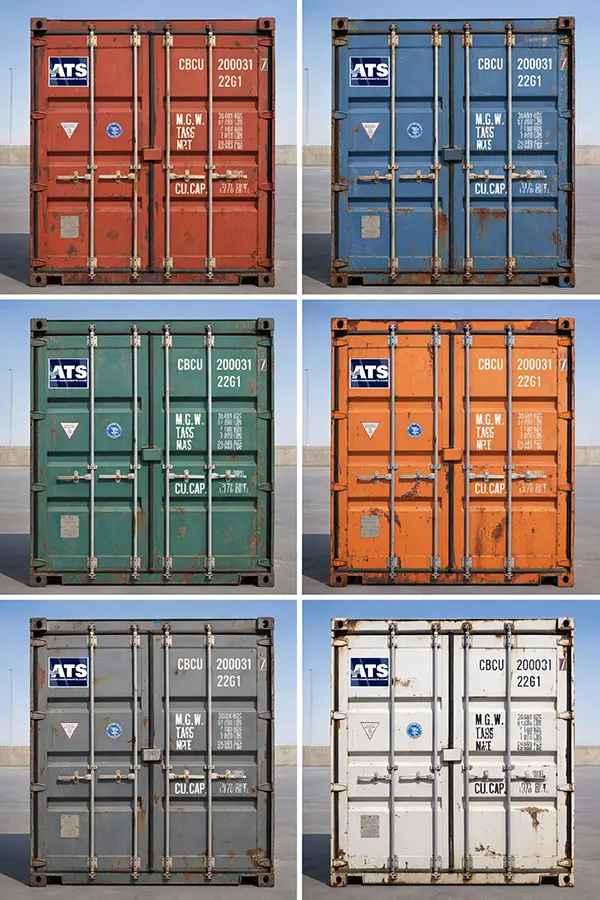
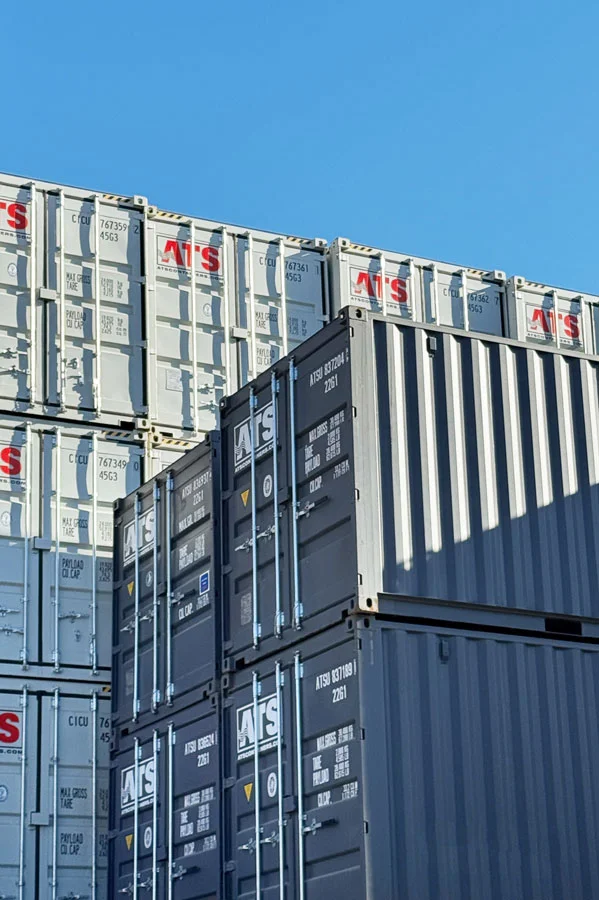
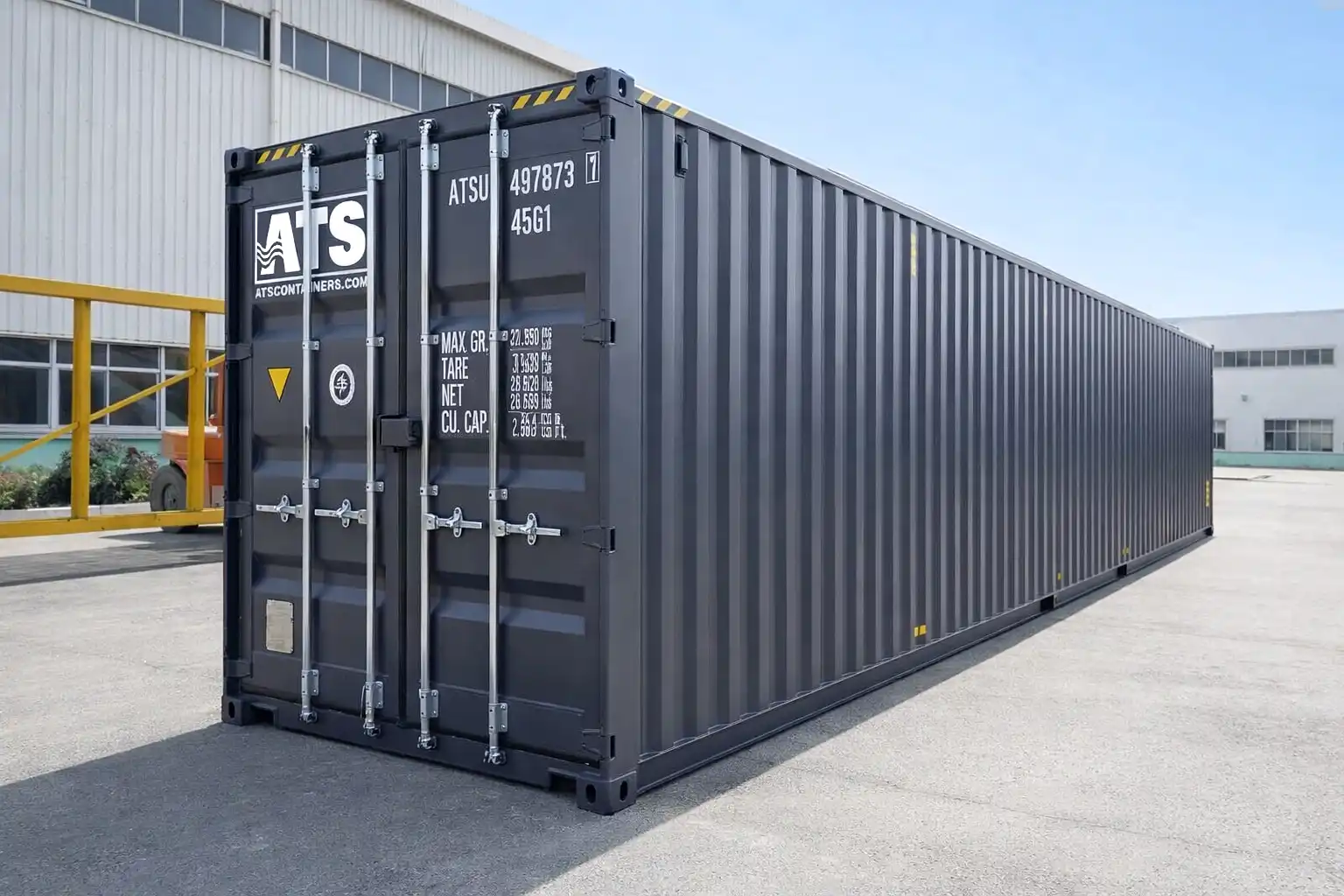
In the Canadian market, new containers are known as One-Trip units. These are manufactured in China and carry a single load of cargo to North America. This one-time voyage is essential to offset the high cost of shipping empty steel, which would otherwise triple the landed cost. Because they are handled at ports and on rail, minor scuffs or floor markings are expected, but they represent the highest quality grade available with a 25–30 year lifespan.
Why Choose a One-Trip Container?
One-Trip units command a premium over used inventory because they provide a clean, long-term solution with several functional upgrades:
Structural Integrity: Built with fresh CORTEN steel, these units are the best choice for modular modifications or workshops where a sound structure is required for finishing.
Aesthetic Appeal: Finished in factory marine-grade paint, they lack the heavy rust, patches, and faded commercial logos found on used equipment. This makes them ideal for public-facing use or residential projects.
Enhanced Security: New units come factory-equipped with a lockbox (security housing for padlocks) which offers superior theft protection compared to used containers.
Expert Tip: Think of a One-Trip unit as a “demo car.” It has a few kilometers on it to reach the lot, but it offers the maximum lifespan and highest resale value in the industry.

Buying a Shipping Container: Frequently Asked Questions
What is the price difference between one trip and used containers?
One trip containers generally command a 50% to 75% premium over used units. This price gap reflects the significant difference in condition, aesthetic quality, and expected lifespan. While used units such as Wind and Watertight or Cargo Worthy models are more budget friendly, one trip units offer a 25 year plus lifespan, minimal cosmetic wear, and higher resale value. For long term storage or client facing projects, the higher upfront cost of a new unit often proves to be a more effective investment.
Why is a 10-ft container more expensive than a 20-ft unit?
The higher cost of 10-ft units is due to the labor and material requirements of the modification process. Since 10-ft containers are not a standard size for international shipping, they are typically created by cutting down a 20-ft unit. This involves precision steel cutting, welding a new end wall, re-aligning door seals, and repainting. These additional workshop hours and raw materials often result in a price premium over standard 20-ft units despite the smaller footprint.
How are shipping container delivery costs calculated?
Delivery fees are determined by the distance from major logistics hubs—primarily Toronto, Montreal, or Edmonton—and the specialized equipment required for offloading. Local delivery within a 30-40km radius typically carries a flat fee, while long-distance transport is calculated on a per-kilometer basis. Total costs also reflect site accessibility factors, such as the turning radius for tilt-bed trucks and the stability of the ground surface at the drop-off point.
Do shipping container prices fluctuate seasonally in Canada?
Container pricing in Canada often follows seasonal demand patterns and global market shifts. Prices typically rise during the spring and summer as construction and retail inventory cycles ramp up across Alberta, Ontario, and Quebec. In 2026, market volatility remains a factor due to global supply chain adjustments and fluctuating steel costs. Purchasing during off peak periods in late autumn or winter can frequently lead to more competitive unit pricing and increased delivery availability.
Why choose ATS Containers for a container purchase?
ATS Containers is a 100% Canadian owned and operated company with over 30 years of industry leadership. Unlike brokers or middlemen, ATS Containers owns the inventory and operates physical depots in Montreal, Toronto, and Edmonton. This asset based model guarantees that the equipment quoted is the equipment in stock. Direct ownership ensures competitive pricing, secure local invoicing, and the ability for clients to visit yards in person to inspect units. This commitment to transparency and reliability is backed by hundreds of 5 star Google reviews from customers across Ontario, Quebec, and Alberta.
Custom Modified Shipping Containers:
Tailored Solutions
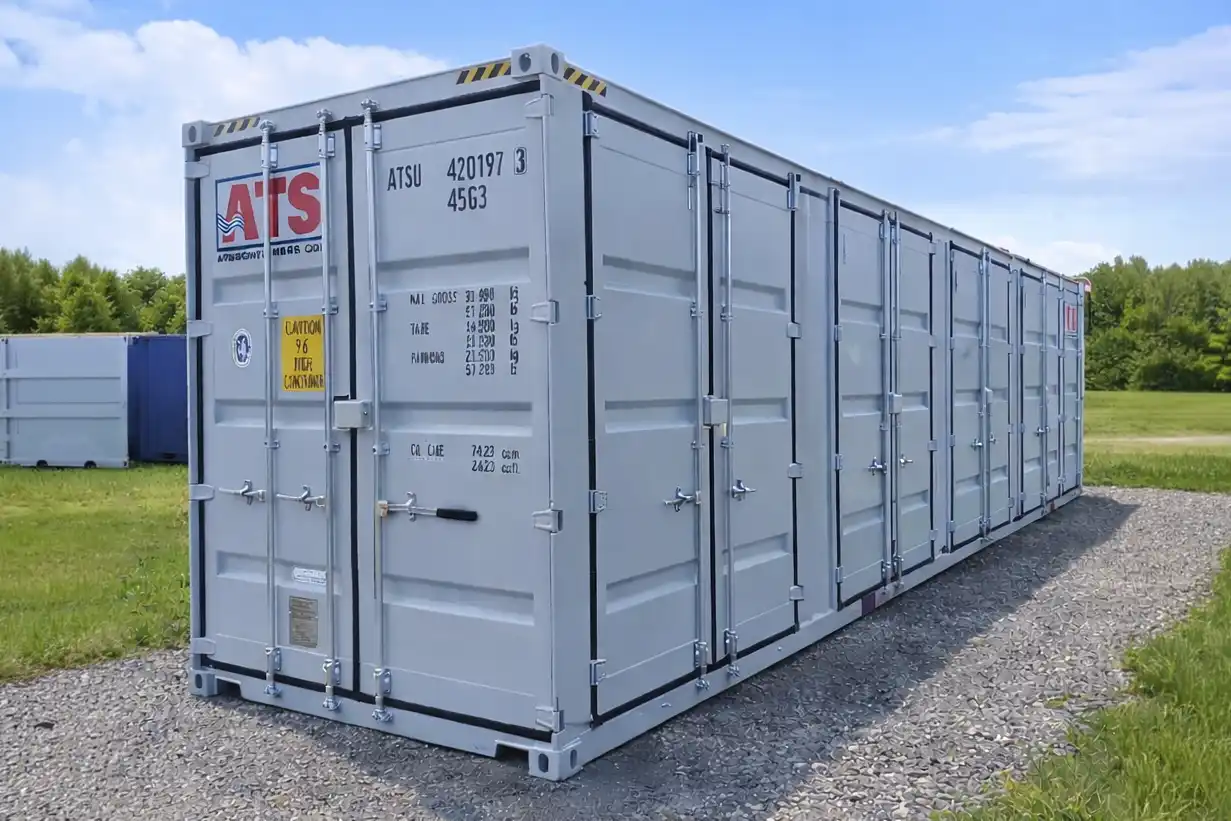
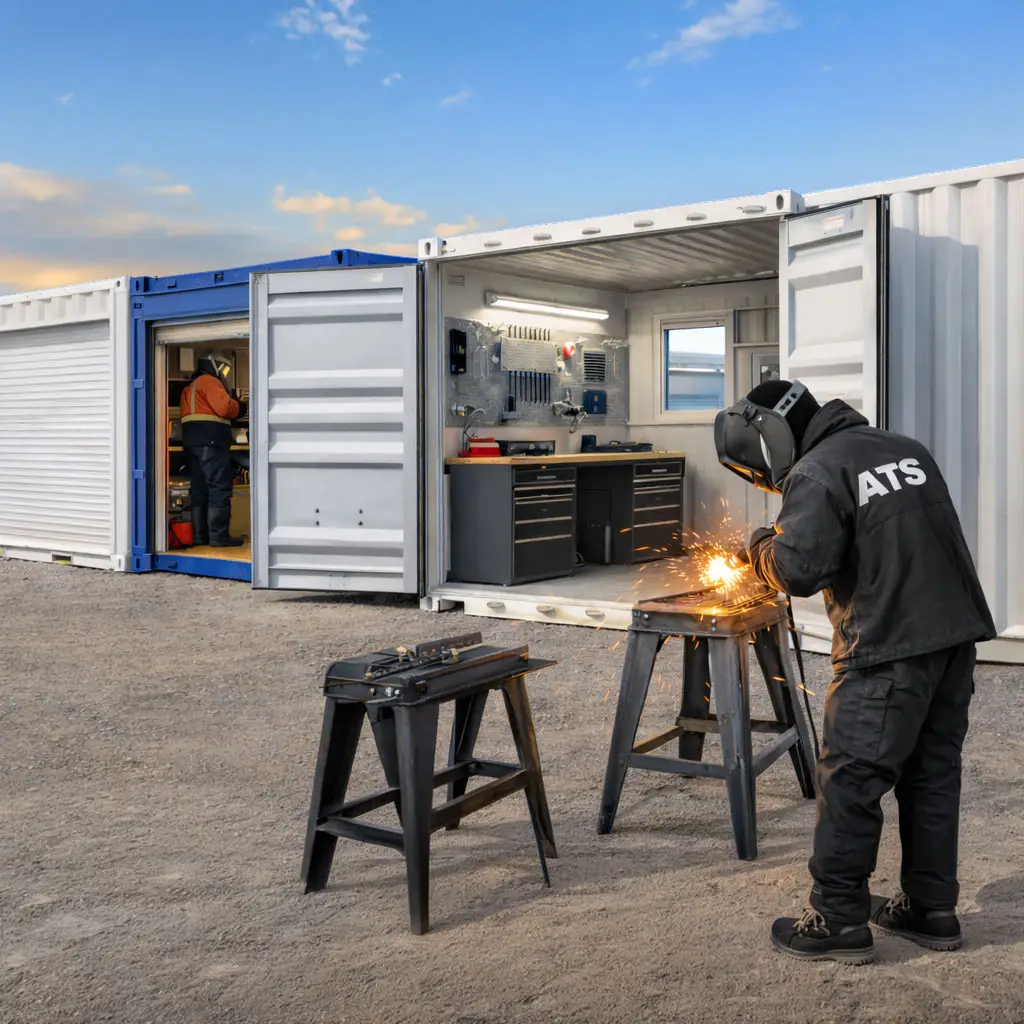
Beyond standard storage, shipping containers serve as versatile building blocks for industrial and commercial projects. Portable job site offices and climate-controlled enclosures represent common transformations of standard steel boxes into high-functioning workspaces.
What Influences Modification Costs?
Because every project is unique, pricing for modified units is based on complexity and materials used. Basic modular offices typically start at $15,000, with final costs scaling based on several key variables:
Climate Control: Interior insulation (spray foam or rigid panel) and HVAC systems are essential for year-round use in the Canadian climate.
Doors & Windows: Cutting and reinforcing the steel for windows, man doors, or roll-up doors requires skilled labor and structural engineering.
Electrical & Finishes: Custom wiring, lighting, and interior wall finishes (such as plywood or vinyl) affect the total project budget.
Ready to build a custom sea can? The Modified Containers Page provides a comprehensive look at customization options and the specific features that impact final project quotes.

Montreal
Quebec’s pricing is uniquely influenced by the Port of Montreal, a critical entry point for international shipping. Because units often land directly in Montreal, “Cargo Worthy” and “Wind & Watertight” used containers are frequently more accessible and cost-effective here.
Direct maritime access reduces the inland “repositioning” fees that often inflate prices in landlocked provinces. Because of the province’s strict winter insulation requirements, pricing for modified units often reflects higher-spec climate control and R-value insulation standard to the region.

Toronto
In Ontario, pricing is driven by its status as Canada’s primary logistics corridor. With major rail intermodal terminals in the Greater Toronto Area (GTA) and proximity to US border crossings, inventory availability is typically higher here than anywhere else in the country. While base prices are often lower, on-site delivery costs can vary significantly due to GTA traffic congestion and the vast distances to Northern Ontario regions like Sudbury or Thunder Bay. This extensive network guarantees you find the ideal storage solution at highly competitive rates.

Edmonton
Alberta’s market is distinct because it is “landlocked,” meaning every container must arrive via rail from Vancouver or Prince Rupert. This adds a “repositioning fee” to the base cost of the unit. Demand in Alberta is heavily tied to the Energy and Agricultural sectors. During oil & gas expansions or peak harvest seasons, the surge in demand for onsite storage in hubs like Edmonton and Calgary can cause local prices to spike regardless of global trends. Our local experts are always ready to help you navigate these dynamic market conditions.
Renting vs Buying a Shipping Container in Canada
Deciding whether to rent or buy a shipping container depends on project duration, total cost considerations, and long-term storage requirements.
The comparison below outlines the key cost, ownership, flexibility, and resale differences to evaluate which option best aligns with
specific project or operational needs.
Renting a Shipping Container: Frequently Asked Questions
Why are shipping container rental rates often provided upon request?
Standardized online pricing rarely accounts for the primary variables that impact a final rental quote: delivery logistics and local inventory. Because transport fees are calculated based on the specific distance from major hubs like Toronto, Montreal, or Edmonton, a custom quote ensures the landed cost is accurate for the delivery site. Additionally, regional supply of specialized units fluctuates, and custom quotes allow for the most competitive market rate to be applied based on real-time availability.
How Much Does it Cost to Rent a Shipping Container in Canada?
Shipping container rental costs in Canada typically range from $90 to $300+ per month. This range is influenced by container size, specialized features, delivery location, and the duration of the rental. For example, standard 10-foot and 20-foot containers generally fall at the lower end of the pricing spectrum. Specialized units, such as climate-controlled enclosures or portable job site offices, command higher premiums, often starting at $750 per month due to the added value of the modifications and interior finishes.
Because every project involves unique logistical requirements, the most accurate method to determine cost is through a tailored quote reflecting local market availability. Most rental quote requests are reviewed and fulfilled within one business day, allowing for precise project planning and protection against unexpected pricing changes.
What logistical costs are associated with container rentals?
The total investment for a rental includes one-time service fees to cover the mobilization and return of the equipment. These consist of delivery and pickup fees, which generally range from $300 to $500 each, depending on the distance from the nearest regional depot.
Is there a minimum rental period for a storage container?
Most rental agreements include a minimum commitment to account for the preparation and transport logistics involved. Agreements are typically structured around a 28 day or 4 week billing cycle, which ensures consistent invoicing every four weeks. While this duration varies by equipment type, with standard dry boxes offering more flexibility than highly modified offices, this structure provides the necessary scalability for temporary job sites, seasonal retail overflow, or short term renovation projects. This type of rental is also very practical for temporary storage at your event, show, pop-up, or festival site.
Price Transparency
Container pricing fluctuates based on seasonal demand and regional inventory across Alberta, Ontario, and Quebec. While market rates are reviewed regularly for accuracy, requesting a localized quote ensures the most precise and competitive pricing for specific delivery locations.
Prices on this page are updated for Spring 2026